



Electricity powers nearly everything in your home, from kitchen appliances to phone chargers. But with that convenience comes risk if the system is not properly protected. That is where AFCI and GFCI devices come in. You have probably seen these terms on your electrical panel or outlets, but many homeowners are not sure what they actually do.
Understanding the difference between these two types of protection can help you make smarter decisions about safety, whether you are upgrading an older home or planning a renovation. Knowing how AFCI and GFCI work gives you more control over your electrical system. If you ever consult an electrician in Philadelphia, this is one of the first topics they will walk you through.
What Is an AFCI
An AFCI stands for Arc-Fault Circuit Interrupter. It is designed to prevent electrical fires caused by arc faults. An arc fault happens when electricity jumps between damaged or loose wires. This can create heat that builds up quietly behind walls, which makes it dangerous. Unlike a standard circuit breaker, an AFCI is built to detect irregular electrical patterns.
When it senses an arc, it shuts off power almost instantly. This quick response can stop a fire before it even starts. AFCI protection is usually installed in living spaces like bedrooms, living rooms, and hallways. These are areas where wiring may be hidden, and damage can go unnoticed for long periods.
Why Arc Faults Happen
Arc faults are more common than most people think. They can be caused by worn-out wires, loose connections, or even a nail driven into a wall. Damaged cords on appliances can also create arc faults. Over time, normal wear and tear increases the chance of these issues. That is why AFCI protection is especially important in older homes where wiring may not meet current standards.
Where AFCI Is Used
Modern building codes often require AFCI protection in most living areas. You will typically find them protecting circuits in bedrooms, family rooms, and dining areas. These spaces are filled with electronics, lamps, and outlets that are used daily. The more activity on a circuit, the higher the chance of an arc fault developing.
What Is a GFCI
A GFCI stands for Ground Fault Circuit Interrupter. It is designed to protect people from electric shock. While AFCI focuses on fire prevention, GFCI focuses on personal safety. A ground fault happens when electricity takes an unintended path to the ground. For example, if you touch a faulty appliance while standing on a wet floor, electricity can pass through your body. A GFCI detects this imbalance and cuts power in a fraction of a second. This quick action can prevent serious injury or even save a life.
How GFCI Works
GFCI devices constantly monitor the flow of electricity. If the current going out does not match the current coming back, the device assumes something is wrong. When that happens, it shuts off the circuit almost instantly. This response time is what makes GFCI outlets so effective in preventing shocks.
Where GFCI Is Required
You will usually find GFCI outlets in areas where water is present. This includes kitchens, bathrooms, garages, basements, and outdoor spaces. Water increases the risk of electrical shock, so these areas need an extra layer of protection. That is why building codes require GFCI installation in these locations.
Key Differences Between AFCI and GFCI
While both devices improve electrical safety, they serve very different purposes. Understanding these differences helps you see why both are necessary in a home.
Type of Protection
AFCI protects against fire hazards caused by arc faults. It focuses on preventing overheating and hidden sparks in wiring.
GFCI protects against electric shock. It focuses on protecting people when electricity flows where it should not.
Location of Use
AFCI is used in living areas where wiring runs behind walls and ceilings. These spaces are more prone to hidden electrical damage.
GFCI is used in wet or damp areas where the risk of shock is higher. These include kitchens, bathrooms, and outdoor outlets.
How They Respond
AFCI detects unusual electrical patterns and shuts off power when it senses an arc.
GFCI detects imbalances in electrical flow and shuts off power when it senses a ground fault.
Do You Need Both
Yes, most homes today require both AFCI and GFCI protection. They work together to create a safer electrical system. Think of AFCI as protection behind the walls and GFCI as protection at the point of use. One prevents fires, while the other prevents shocks. In many newer homes, you may even find dual-function breakers that provide both types of protection in one device. This is a convenient way to meet safety requirements without installing separate units.
Signs Your Home May Need Upgrades
If your home is older, it may not have either AFCI or GFCI protection. There are a few signs that it might be time to upgrade. Frequent breaker trips can indicate underlying electrical issues. Outlets that feel warm or show signs of wear are also worth checking. If you rely heavily on extension cords, your system may not be keeping up with demand. An inspection can help identify these risks and determine what updates are needed. Bringing your system up to current standards can make a big difference in safety.
Installation and Maintenance
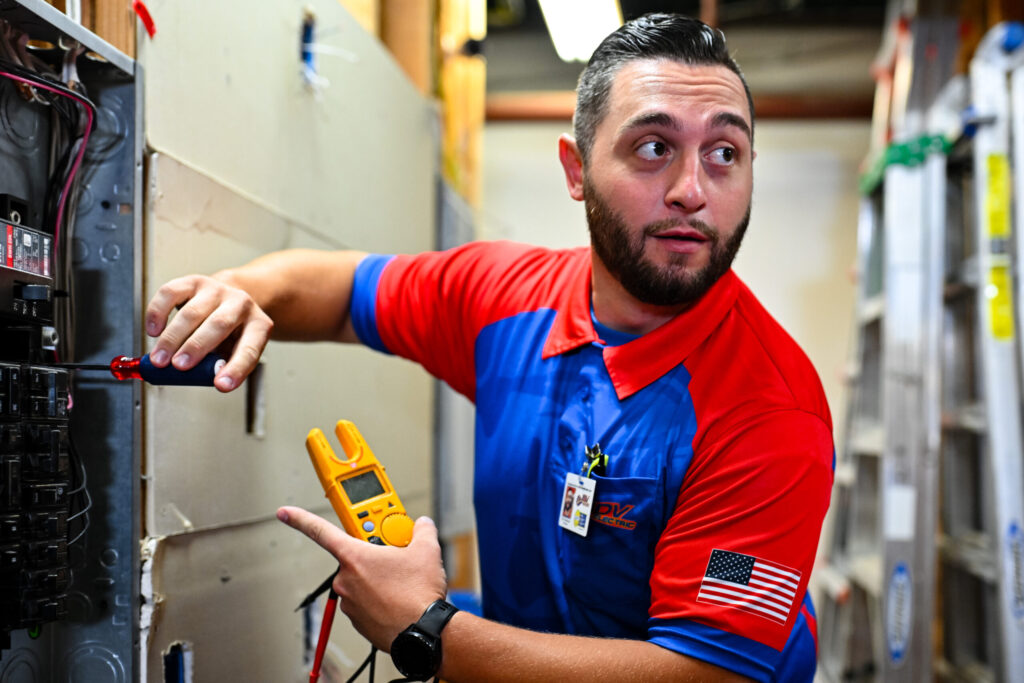
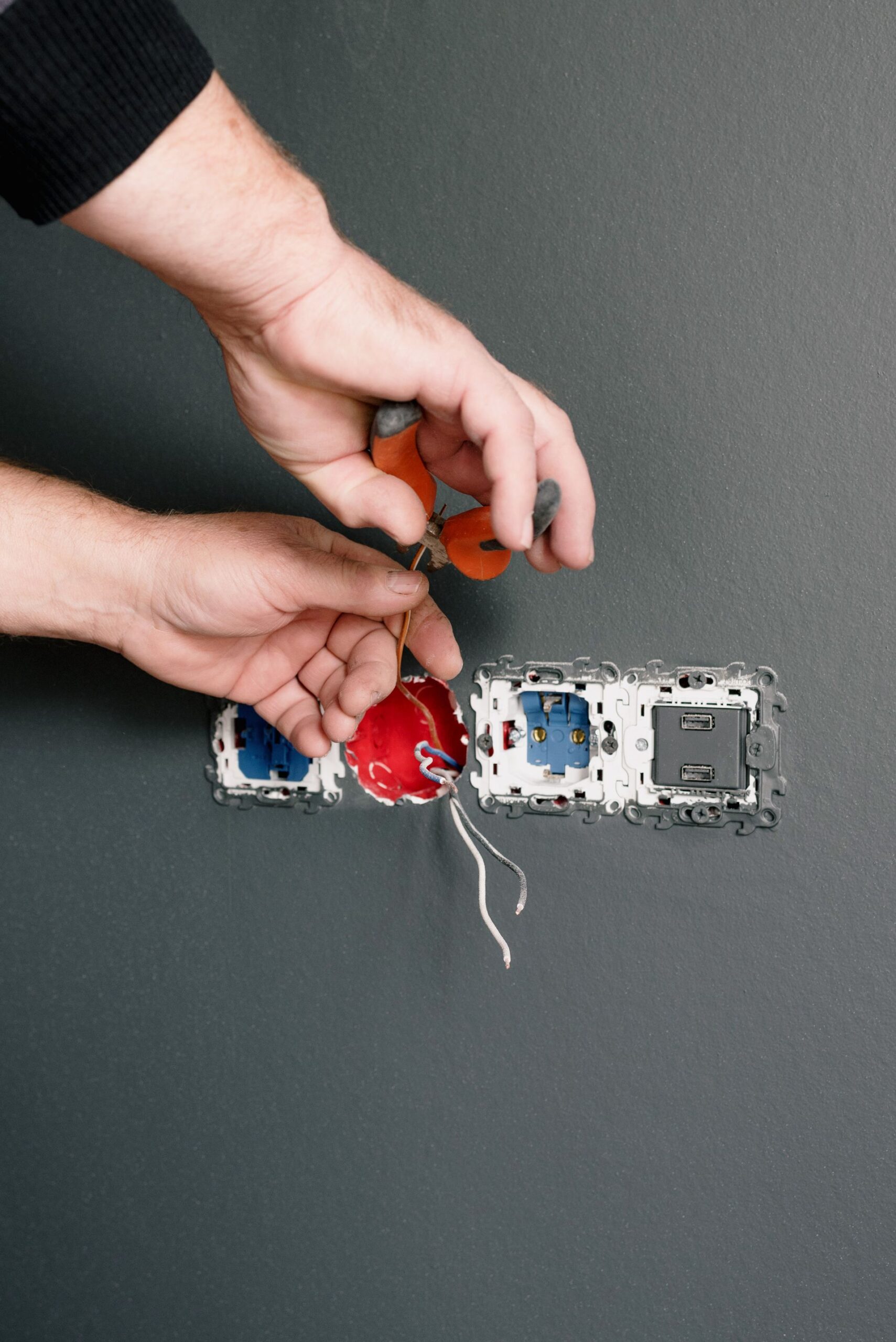
Installing AFCI and GFCI devices requires careful attention to wiring and circuit design. While some homeowners try to handle this on their own, mistakes can lead to bigger problems. A licensed professional can ensure everything is installed correctly and meets local codes.
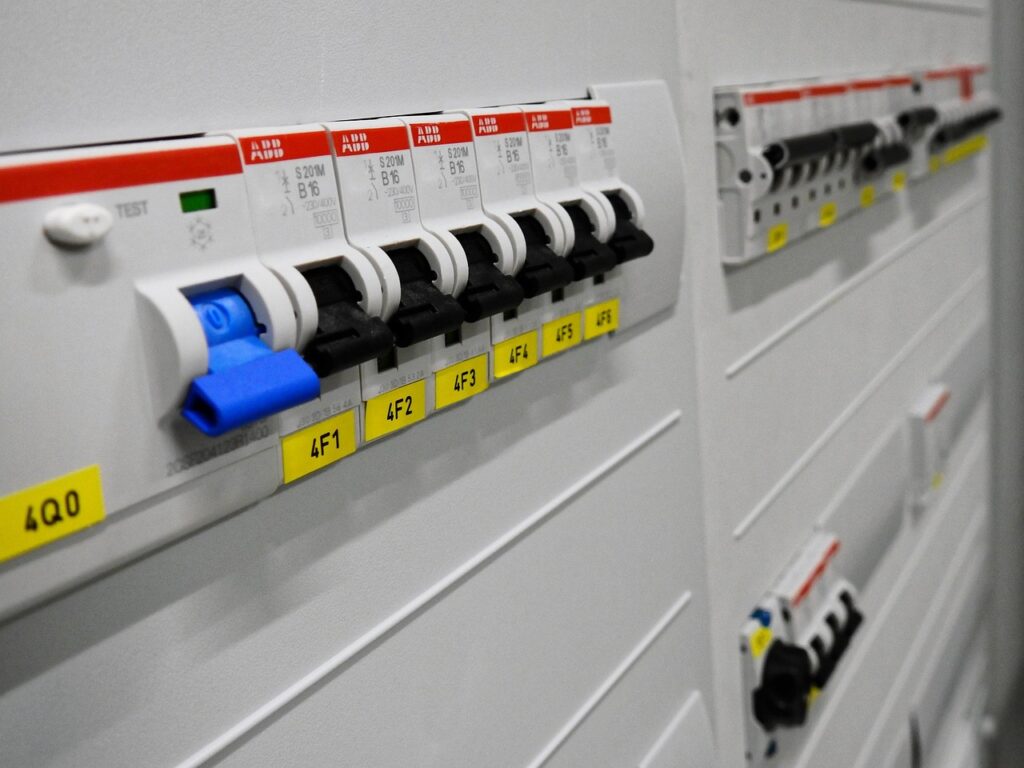
They can also test the system to confirm it is working as expected. Maintenance is simple but important. GFCI outlets usually have a test button that should be checked regularly. AFCI breakers can also be tested to ensure they respond properly.
Why This Matters for Your Home
Electrical safety is not something most people think about until there is a problem. But taking a proactive approach can prevent serious damage and injury. AFCI and GFCI devices are small components with a big impact. They add layers of protection that work quietly in the background every day.
By understanding how they function and where they are used, you can make informed decisions about your home. Whether you are planning upgrades or just learning more about your system, this knowledge gives you confidence and peace of mind. Taking the time to ensure your electrical system in Haverford, PA is properly protected is one of the smartest investments you can make in your home. If you want to explore professional services or schedule an inspection, you can visit https://jdvelectric.sociosquares.com/ to learn more about available solutions.